Letting Your Property in Brighton and Hove: A Guide for Landlords
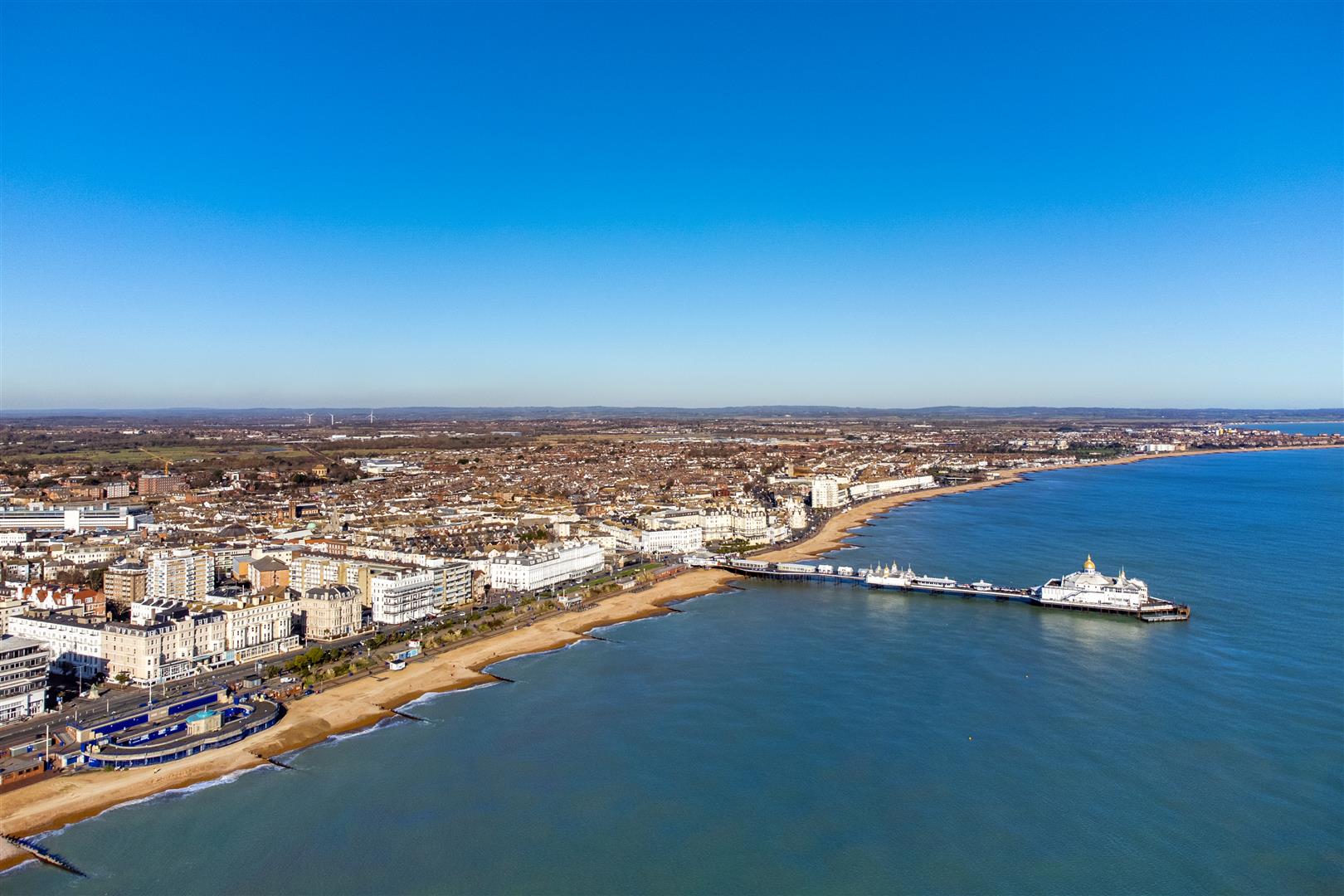
Brighton and Hove is one of the most consistently in-demand rental markets in the South East. Average rents reached approximately £1,822 per month as of April 2026 — around 38% above the England average — driven by a tenant base that is broad, deep and structurally diverse in a way that most Sussex towns are not.
For landlords with property in the city, that demand brings opportunity. It also brings competition — and, increasingly, a compliance environment that requires genuine expertise to navigate. This guide covers the market fundamentals, what changed on 1 May 2026, and what attentive property management looks like in a city this active.
What Drives Demand in Brighton and Hove
Brighton’s tenant market is unusually layered, which is one of the reasons it holds up well even when other markets soften.
The commuter market has been a consistent anchor for years. With trains to London Victoria taking under an hour and Gatwick just 30 minutes away, Brighton attracts high-earning professionals who want a coastal quality of life without sacrificing their careers. This demographic underpins the higher rents in Hove and the station quarter, and provides a reliable market for well-presented two and three-bedroom properties.
The university population adds a further structural layer of demand. The University of Sussex and the University of Brighton together sustain significant need for accommodation that the universities themselves cannot meet — creating consistent demand particularly in the BN2 and eastern postcodes.
The lifestyle and creative economy draw a third, distinct cohort: people who choose Brighton specifically and who tend to stay. Tenant retention in well-managed properties in Brighton is often stronger than the headline figures suggest, because the city itself generates loyalty.
What the Numbers Look Like in 2026
Average rents sit at around £1,822 per month across the city. One-bedroom properties typically achieve £1,100 to £1,300 per month, two-bedroom properties £1,300 to £1,900, and family homes from £1,900 upwards depending on location and condition.
BN3 — Hove — commands a premium that reflects the family and professional market, with larger homes achieving £2,200 to £2,800 per month. BN2 — Kemptown and the Marina — has historically seen the city’s highest average rents at the upper end, driven by high-specification apartments and HMO demand near the universities.
For portfolio landlords, the city-wide figure matters less than what your specific properties are achieving relative to current market comparables. Rents in Brighton have grown modestly in the year to April 2026 — around 0.2% — which makes accurate benchmarking more important than ever. An agent managing on autopilot, without actively monitoring comparable lettings, risks leaving rent reviews too late or pitching increases incorrectly.
The Renters’ Rights Act: What Brighton Landlords Need to Know
The Renters’ Rights Act 2025, in force from 1 May 2026, changed the landscape for every landlord in England. The key changes that matter most for Brighton and Hove portfolio landlords:
Section 21 is abolished. All possession must now be via Section 8, using one of the revised grounds — some mandatory, some discretionary. Rent can only be increased once per year, using the Section 13 process, with at least two months’ notice. Fixed-term tenancies are gone; all tenancies are now periodic from the outset. The rent arrears threshold for mandatory possession has increased from two months to three. And from September 2026, landlords will need to be registered on the new Private Rented Sector Database before serving any Section 8 notice.
For landlords with HMOs or larger portfolios in Brighton, the licensing and compliance requirements are already more demanding than in most of Sussex. The Renters’ Rights Act adds a further layer. An agent who understands both the local specifics and the national framework is not a luxury — it is a practical necessity.
For the full picture, see our Renters’ Rights Act guide for Sussex landlords.
How Portello Works in Brighton and Hove
Portello is not a volume agent. We manage a carefully chosen portfolio of properties for landlords who want expert, attentive management rather than a high-volume service where their properties are one of hundreds in a queue.
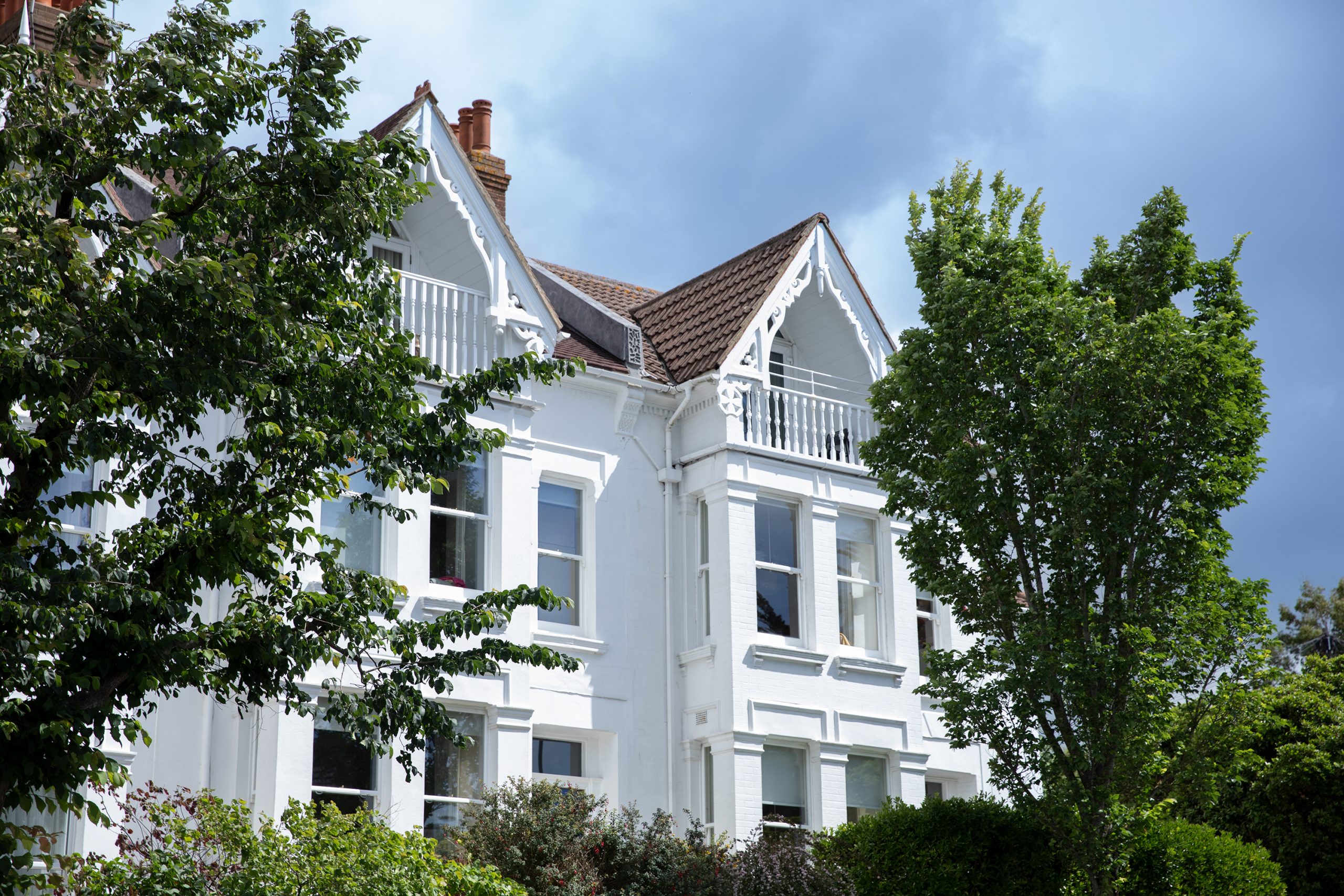
Our background in prime central London, combined with our deep knowledge of the Sussex market, makes us well placed to manage properties at the quality end of the Brighton and Hove market — whether that is a well-presented flat in Hove, a period house in Preston Park, or a portfolio spanning several postcodes.
If you would like to understand more about how we work, or if you are considering switching from your current agent, we would welcome a conversation.
Arrange a conversation with Portello →
Find out more about portfolio management →